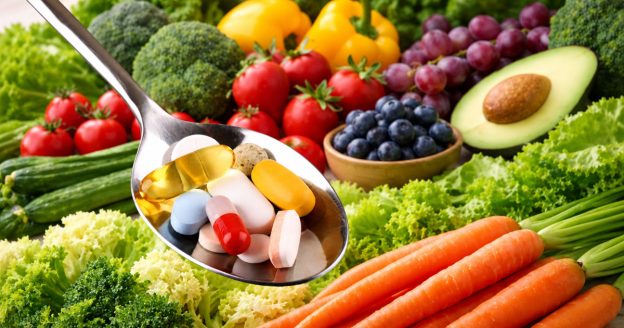
Dietary Supplements – Benefits, Risks, and When They Actually Make Sense
Vitamins and Minerals – Who Actually Benefits, and Where the Risks Begin

The supplement industry is enormous. In the United States alone it is valued at over $50 billion annually, and a significant proportion of the population in most Western countries takes some form of supplement every day. The marketing is persuasive, the products are attractively packaged, and the health claims can sound highly convincing – particularly when they contain just enough scientific terminology to feel credible.
The evidence, however, is considerably more mixed than the marketing suggests. Some supplements have a solid and growing evidence base. Others are genuinely useful for specific groups – pregnant women, vegans, people with diagnosed deficiencies, or those in particular life situations – but of limited value to healthy adults eating a varied diet. And some carry risks that are not adequately communicated to the people buying them.
There is also a well-documented paradox: the people most likely to take supplements are also the people least likely to need them – those who already eat well, exercise regularly, and pay attention to their health. Meanwhile those with genuine nutritional deficiencies, often linked to poor diet, limited food access, or specific medical conditions, are precisely the people who would benefit most but are least likely to be supplementing.
This article does not argue against supplementation. It argues for informed supplementation – based on actual blood values, genuine physiological need, and current peer-reviewed evidence rather than marketing claims. The guiding principle throughout is: food first, supplementation where there is a documented reason for it, and always with an awareness of both benefits and risks.
What follows is a review of the most commonly taken supplements, assessed against the current scientific literature. The aim is not to tell you what to take – that is a decision that should involve your own blood work and ideally a knowledgeable healthcare practitioner – but to give you a factual basis for making that decision yourself.
Table of Contents
- The Basic Principles of Supplementation
- Vitamin D – The Most Important Supplement for Northern Latitudes
- Magnesium – Widely Deficient, Often Overlooked
- Omega-3 Fatty Acids – Strong Evidence, Important Caveats
- B Vitamins – Essential for Some, Unnecessary for Others
- Zinc – Useful When You Actually Need It
- Iron – Handle with Care
- Calcium – More Complicated Than Expected
- Vitamin C – Popular, But Largely Overstated
- Vitamin A – Avoid Supplementing Unless Deficient
- Vitamin E – The Antioxidant That Can Backfire
- Vitamin K – Emerging Evidence, Especially K2
- Sodium – The Overlooked Deficiency
- Potassium – Frequently Underestimated
- Others – Iodine, Selenium, Chromium, CoQ10, MSM, 5-HTP, DHEA, Multivitamins, Glucosamine
- Why Blood Work Comes First
- Supplement Quality – What to Look For
- Scientific References
The Basic Principles of Supplementation
Before examining individual supplements, it is worth establishing a few principles that apply across the board.
More is not better. With vitamins and minerals, the relationship between dose and benefit is not linear. Many nutrients have a clearly defined optimal range – below it, deficiency effects appear; above it, toxicity effects appear. This is particularly important for fat-soluble vitamins (A, D, E, K), which are stored in body fat and accumulate over time. Unlike water-soluble vitamins, which are generally excreted when taken in excess, fat-soluble vitamins can build up to harmful levels over weeks and months of excessive supplementation – often with no early warning signs, by which time damage may already have occurred.
Supplements do not substitute for food. Nutrients in whole foods are accompanied by co-factors, fiber, enzymes, and other compounds that affect their absorption and function. A supplement delivers an isolated compound, and the body’s response to isolated compounds is often quite different from its response to the same compound embedded in food. This is one reason why antioxidant supplements have consistently failed to replicate the benefits of antioxidant-rich diets in clinical trials.
Individual variation is real. Genetic variants – particularly in genes involved in nutrient metabolism, such as MTHFR (folate and B12 processing), VDR (Vitamin D receptor), and others – mean that the same supplement at the same dose can have very different effects in different people. Blanket recommendations have limited value; personalised assessment is more meaningful.
Blood work should precede supplementation. Taking supplements without knowing your baseline levels is guesswork. A comprehensive blood panel takes the guesswork out and replaces it with data. This is covered in the final section of this article.
Bioavailability is not uniform. It is not just the form of a supplement that determines how much the body actually absorbs – the food source itself plays a decisive role. The same nutrient can be absorbed very differently from animal versus plant sources. Those eating predominantly plant-based diets should be aware that certain nutrients are considerably less bioavailable from plant sources than from animal ones – and should adjust their intake targets or supplement accordingly.
Vitamin D – The Most Important Supplement for Northern Latitudes
Vitamin D is technically not a vitamin at all – it is a precursor hormone synthesised in the skin when UVB radiation from sunlight converts 7-dehydrocholesterol into cholecalciferol (Vitamin D3), which the liver then converts into the active form 25-hydroxyvitamin D (25(OH)D). This distinction matters because it means that Vitamin D deficiency is not simply a dietary problem – it is, for most people living north of a certain latitude, a structural consequence of where and how they live.
The evidence for the importance of adequate Vitamin D levels has grown substantially in the past two decades. Beyond its well-established role in calcium metabolism, bone density, and the prevention of rickets, Vitamin D is now understood to play a role in immune function, autoimmune disease risk, cardiovascular health, mood regulation, and susceptibility to viral infections. A large meta-analysis published in the British Medical Journal (Martineau et al., 2017) found that Vitamin D supplementation reduced the risk of acute respiratory infections – an effect that was most pronounced in people who were severely deficient to begin with.
Who is Deficient?
Deficiency is far more common than most people realize. Studies across European countries consistently find that 40-60% of adults have insufficient Vitamin D levels, with the proportion rising sharply in winter months. The reasons are structural: modern indoor lifestyles mean that most people spend the majority of daylight hours inside, and even those who spend time outdoors may not be getting useful UVB exposure depending on the time of year and their geographic latitude.
The Shadow Rule
Vitamin D synthesis requires UVB radiation in the wavelength range of 290-315 nm to reach the skin. UVB rays travel through a much thicker column of atmosphere when the sun is low in the sky – meaning that at low sun angles, the ozone layer and atmosphere filter out the UVB wavelengths almost entirely before they reach the ground, while the less useful (and more damaging) UVA rays still pass through.
The practical rule: Vitamin D synthesis only occurs when the sun is at a solar altitude angle of approximately 45° or higher above the horizon – the point at which your shadow is roughly the same length as your height. When your shadow is longer than you are tall, the sun is too low, and no Vitamin D is being produced in your skin – not even on a bright sunny day, regardless of how long you stay outside (Webb et al., 1988, Journal of Clinical Investigation; confirmed in multiple subsequent studies including a 2024 analysis in Scientific Reports).
What This Means for Switzerland and Central Europe
Switzerland sits at approximately 47° North latitude. At this latitude, meaningful Vitamin D synthesis from sunlight is only possible from around April through September – and even then only around midday, when the sun is high enough. From October through March the sun remains too low to deliver sufficient UVB through the atmosphere, regardless of how much time is spent outdoors. This period is known as the “Vitamin D winter.”
A 2022 study in Nutrients (Bjelakovic et al.), analysing UVB data from 46 European cities over 18 years, confirmed this pattern across all comparable latitudes – from Switzerland through Germany, Austria, and France. Even in summer, actual synthesis is often limited: the peak UVB hours fall precisely at midday, when most people are indoors – at a desk, in a canteen, or in the shade. Sunscreen and UV-protective clothing reduce synthesis further.
The conclusion is straightforward: for most people in Central Europe, Vitamin D supplementation is not an optional measure but a physiological necessity – in winter without question, but frequently in summer too.
Dosage and the Risk of Overdose
The official recommended daily intake for adults is 600-800 IU (15-20 mcg), with a tolerable upper intake level (UL) set at 4’000 IU per day by most authorities, including the European Food Safety Authority (EFSA) and the US Institute of Medicine. This upper limit is based on the threshold below which chronic supplementation is considered safe for virtually all adults.
In the early 2000s there was considerable enthusiasm for much higher doses – 5’000 or even 10’000 IU per day – driven partly by the observation that sun exposure in minimal clothing can generate the equivalent of 10’000-15’000 IU in a single session, and partly by studies showing that populations with very high natural Vitamin D levels (such as traditional outdoor-living peoples near the equator) had blood levels well above what standard supplementation achieves.
However, the comparison between sun-derived and supplement-derived Vitamin D is not straightforward. Sunlight-induced synthesis is self-regulating – the skin has a feedback mechanism that prevents overproduction. Oral supplementation lacks this regulation, and the fat-soluble nature of Vitamin D means that excess accumulates in body fat over time, gradually raising blood levels beyond the safe range.
Vitamin D toxicity – known as hypervitaminosis D – primarily manifests through hypercalcemia: excessively elevated calcium levels in the blood. Symptoms include loss of appetite, nausea, vomiting, fatigue, confusion, excessive thirst, and frequent urination. In severe or prolonged cases, hypercalcemia can lead to kidney stones, calcification of soft tissues and arterial walls, kidney dysfunction, and cardiac arrhythmia. A 2020 case report documented a 73-year-old patient developing Vitamin D toxicity after taking 10’000 IU daily for several years (published in The Journal of Clinical Endocrinology and Metabolism).
The key message: while the exact threshold for toxicity varies between individuals, chronic supplementation above 4’000 IU per day should not be undertaken without medical supervision and regular blood level monitoring. For most healthy adults without a diagnosed deficiency, a daily dose of 1’000-2’000 IU during the winter months is a reasonable and well-supported approach.
Practical recommendation: Have your 25(OH)D blood level tested – ideally in late winter when it is at its seasonal low. If you are deficient (below 50 nmol/L), a doctor can guide corrective supplementation at appropriate doses. For maintenance during the vitamin D winter months, 1’000-2’000 IU D3 daily is a commonly recommended and generally safe approach. Always take Vitamin D3 (cholecalciferol) rather than D2, as D3 is significantly more effective at raising blood levels.
Magnesium – Widely Deficient, Often Overlooked
Magnesium is involved in over 300 enzymatic reactions in the body, including those governing nerve and muscle function, blood glucose regulation, blood pressure control, protein synthesis, and energy production. It is also required for the activation of Vitamin D – meaning that Vitamin D supplementation without adequate magnesium may be partially ineffective.
Magnesium deficiency is genuinely common in modern populations, for several reasons: soils have become progressively depleted of magnesium through industrial agriculture; dietary patterns have shifted toward processed foods that are low in magnesium; and certain common medications – particularly proton pump inhibitors (PPIs), commonly prescribed for acid reflux – significantly reduce magnesium absorption with long-term use.
The relationship between magnesium and sleep is one of the more robust findings in this area. Magnesium activates the parasympathetic nervous system and regulates GABA – a neurotransmitter that quiets nerve activity and shifts the nervous system into the resting state required for sleep. A double-blind placebo-controlled trial published in the Journal of Research in Medical Sciences (Abbasi et al., 2012) found that magnesium supplementation significantly improved sleep onset time, sleep duration, sleep efficiency, and early-morning awakening in elderly subjects with insomnia. The connection between magnesium and sleep is covered in more detail here: Sleep Disorders – Causes and Holistic Solutions.
Beyond sleep, a 2016 meta-analysis in the European Journal of Clinical Nutrition found that magnesium supplementation produced modest but significant reductions in blood pressure, particularly in people with elevated baseline levels. There is also emerging evidence for a role in reducing migraine frequency and in supporting insulin sensitivity, though these findings remain somewhat inconsistent across studies.
Standard blood serum magnesium tests are a poor indicator of actual magnesium status, because only about 1% of the body’s magnesium is in the blood – the rest is in cells and bone. A more accurate measure is red blood cell (RBC) magnesium. If you suspect deficiency, request the RBC magnesium test specifically.
Forms matter: magnesium oxide – the most common form in cheap supplements – is poorly absorbed. Better-absorbed forms include magnesium glycinate, magnesium malate, and magnesium citrate. Magnesium glycinate is particularly well-tolerated and does not cause the loose stools that higher doses of magnesium citrate or oxide can produce. A typical daily dose is 200-400 mg of magnesium – referring to the pure magnesium content of the product, not the total weight of the capsule or tablet. It is best taken in the evening.
Omega-3 Fatty Acids – Strong Evidence, Important Caveats
Omega-3 fatty acids – specifically EPA (eicosapentaenoic acid) and DHA (docosahexaenoic acid) – are among the most studied nutrients in the supplement literature, and the evidence for their benefits in specific areas is genuinely strong. They are essential structural components of cell membranes, particularly in the brain and nervous system, and play important roles in inflammation regulation.
The evidence is strongest for cardiovascular health. A 2019 meta-analysis of 13 randomised controlled trials published in the Journal of the American Heart Association found that omega-3 supplementation reduced the risk of myocardial infarction (heart attack) by approximately 13% and cardiovascular death by 10%. A landmark trial – REDUCE-IT, published in the New England Journal of Medicine in 2018 – found that high-dose EPA supplementation (4 grams per day) reduced major cardiovascular events by 25% in people with elevated triglycerides. This is one of the most significant cardiovascular supplement findings in recent years.
For brain health, DHA is the dominant structural fatty acid in the brain, and inadequate intake has been linked to cognitive decline and depression. A 2022 review in Nutritional Neuroscience found associations between higher omega-3 status and reduced risk of depression and dementia, though the evidence for therapeutic use in existing depression is more mixed.
The source matters. Fish oil capsules are the most common supplement form, but quality varies considerably – look for products that have been third-party tested for purity, as fish oils can contain significant amounts of environmental contaminants (PCBs, dioxins, heavy metals) if not properly refined. Algae-based omega-3 supplements are an excellent alternative for vegetarians and vegans, and are actually the original source of EPA and DHA – fish accumulate these fatty acids by eating algae, so algae-based supplements bypass the fish entirely while providing the same compounds.
The ideal is to obtain omega-3s through regular consumption of oily fish – salmon, mackerel, sardines, herring – which also provide protein, selenium, and other nutrients alongside the fatty acids. For those who do not eat fish regularly, a quality supplement providing 500-1’000 mg of combined EPA and DHA daily is a reasonable and well-supported choice.
B Vitamins – Essential for Some, Unnecessary for Others
The B vitamins are a group of eight water-soluble vitamins (B1, B2, B3, B5, B6, B7, B9, B12) that collectively play essential roles in energy metabolism – converting food into usable energy – as well as in the nervous system, red blood cell production, DNA synthesis, and hormone regulation. Because they are water-soluble, excess amounts are generally excreted in urine rather than accumulating to toxic levels, which makes them safer than fat-soluble vitamins. However, high doses of certain B vitamins – particularly B6 – can cause nerve damage with prolonged supplementation.
For most omnivores eating a varied diet, B vitamin deficiency is relatively uncommon. The main exceptions are Vitamin B12 and folate (B9).
Vitamin B12 is found naturally only in animal products – meat, fish, eggs, and dairy. Vegans and strict vegetarians are at high risk of deficiency, and deficiency can develop slowly over years as the body depletes its stored reserves. The consequences are serious: B12 deficiency causes megaloblastic anemia, neurological damage, and can cause irreversible cognitive decline if left untreated for long enough. All vegans and most vegetarians should supplement B12 routinely and check blood levels regularly. For omnivores, deficiency is less common but does occur, particularly in older adults whose gastric acid production declines with age, impairing B12 absorption from food.
An important note on form: people with the MTHFR genetic variant – present in a significant proportion of the population – have reduced ability to convert standard folic acid and cyanocobalamin into the active methylated forms the body uses. For these individuals, methylated forms of B12 (methylcobalamin) and folate (methylfolate or 5-MTHF) are more appropriate than the standard synthetic forms found in most supplements. MTHFR status can be identified through genetic testing or inferred from blood homocysteine levels – elevated homocysteine is a common marker of impaired methylation.
Folic acid (B9) supplementation before and during the first trimester of pregnancy reduces the risk of neural tube defects by up to 70%, and is universally recommended for women who may become pregnant. This is one of the most clearly evidence-based supplement recommendations in existence. The recommended dose during pregnancy is 400-600 mcg daily.
The claims that B vitamins prevent heart disease or cognitive decline by reducing homocysteine – a marker that is elevated in cardiovascular and neurological risk – have not been borne out in large clinical trials. Lowering homocysteine through B vitamin supplementation does not translate into reduced rates of heart disease or stroke in people without deficiency (Clarke et al., 2010, Archives of Internal Medicine).
Zinc – Useful When You Actually Need It
Zinc is involved in cell division, DNA synthesis, immune function, wound healing, and the activity of over 100 enzymes. The daily recommended intake is 8-11 mg for adults, and it is found in meaningful quantities in meat, shellfish (oysters are the richest source), legumes, nuts, and seeds.
Zinc deficiency impairs immune function, affects taste and smell, and can cause hair loss and delayed wound healing. Vegetarians and vegans are at somewhat higher risk as plant-based zinc sources are less bioavailable due to the presence of phytates, which bind zinc and reduce its absorption.
The most consistently supported use for zinc supplementation is in shortening the duration of the common cold. A 2021 Cochrane review confirmed earlier findings: zinc lozenges or syrup taken within 24 hours of cold symptom onset reduce the duration of colds, with the effect being most pronounced at doses of 75 mg per day or higher. The mechanism matters: zinc ions inhibit the replication of cold viruses directly in the throat – they need to act locally, not systemically. This is why lozenges or syrup are effective, while standard zinc capsules that are swallowed are not, as the zinc is absorbed in the stomach and never reaches the throat. This does not mean that daily zinc supplementation prevents colds – there is no evidence for that effect.
Chronic high-dose zinc supplementation carries risks: it competes with copper for absorption, and long-term zinc excess can cause copper deficiency – with its own set of neurological consequences. Zinc supplementation above 40 mg per day should not be maintained long-term without medical supervision.
The sleep connection: zinc, together with magnesium, participates in the conversion of tryptophan to serotonin and then melatonin – the biochemical cascade that initiates sleep. Research has found that combined zinc and magnesium supplementation can improve sleep quality, particularly in older adults (Rondanelli et al., 2011, Journal of the American Geriatrics Society).
Iron – Handle with Care
Iron is essential for hemoglobin production and oxygen transport, and iron deficiency anemia causes fatigue, cognitive impairment, reduced immune function, and in severe cases can affect heart function. Pre-menopausal women, pregnant women, and people with conditions that cause blood loss or impair absorption are at particular risk of deficiency.
However, iron is also one of the supplements most often taken unnecessarily – and iron overload is more harmful than most people realize. Iron is highly reactive in the body and generates free radicals when not tightly regulated. Excess iron is associated with increased oxidative stress, and elevated ferritin (the storage form of iron) has been linked to increased risk of type 2 diabetes, cardiovascular disease, and certain cancers in multiple epidemiological studies.
The important clinical nuance is that iron overload can also cause fatigue – the same symptom people typically associate with iron deficiency. This means that self-medicating fatigue with iron supplements, without a blood test, can make the situation worse rather than better.
Ferritin is the most sensitive marker for iron status. Serum iron alone is unreliable – ferritin reflects actual iron stores. A ferritin level below 30 ng/mL in the context of fatigue and other symptoms justifies medical assessment for iron deficiency; levels above 200 ng/mL in women or 300 ng/mL in men may indicate excess. Iron supplementation should not be started without confirmed deficiency, and should be monitored with follow-up blood work.
An important distinction that is frequently underestimated in plant-based diets: not all iron is equal. Iron from animal sources exists as heme iron – a form absorbed directly into intestinal cells with an absorption rate of 15-35%. Plant-based iron – from spinach, lentils, wholegrains, and similar sources – is non-heme iron, which is absorbed far less efficiently: only 2-20% depending on what else is consumed with the meal. Phytates in grains and legumes, polyphenols in coffee and tea, and calcium all inhibit non-heme absorption further. For this reason, plant-based eaters are advised to target iron intake 1.8 times higher than omnivores. Consuming Vitamin C with the same meal can significantly improve non-heme iron absorption.
Calcium – More Complicated Than Expected
Calcium’s role in bone health is well-established, and the concern that deficiency leads to osteoporosis and fractures drove decades of widespread calcium supplementation recommendations, particularly for postmenopausal women. The evidence has become considerably more complicated.
A series of large trials and meta-analyses published from around 2010 onward found that calcium supplementation – particularly without co-supplementation with Vitamin D and Vitamin K2 – was associated with increased cardiovascular risk. A 2010 meta-analysis in the British Medical Journal (Bolland et al.) found that calcium supplementation significantly increased the risk of myocardial infarction. The proposed mechanism is that calcium from supplements enters the bloodstream more rapidly than calcium from food, causing transient hypercalcemia that may promote arterial calcification.
The emerging understanding is that calcium, Vitamin D, and Vitamin K2 work as a system. Vitamin D increases calcium absorption; Vitamin K2 (particularly the MK-7 form) activates osteocalcin, a protein that directs calcium into bone and away from arterial walls. Supplementing calcium in isolation – without ensuring adequate Vitamin D and K2 – may move calcium into the bloodstream without adequately directing it into bone, potentially increasing arterial calcification risk.
For most adults who eat dairy products, leafy greens, or calcium-fortified foods, dietary calcium intake is adequate. Supplementation is most relevant for people who are lactose intolerant, vegan, or have conditions that impair calcium absorption. If supplementing, calcium citrate is better absorbed than calcium carbonate, particularly by older adults with reduced gastric acid production.
Vitamin C – Popular, But Largely Overstated
Vitamin C is the most popular single vitamin supplement worldwide, its reputation built largely on the work of Nobel laureate Linus Pauling, who advocated megadose supplementation as a near-universal remedy from the 1970s onward. The scientific reality is considerably more modest.
The body does not synthesise Vitamin C, so dietary intake is essential. It is required for collagen synthesis, immune function, and iron absorption, and deficiency causes scurvy – now rare in Western countries. A single orange or a portion of broccoli meets the daily adult requirement of 40-90 mg.
The cold prevention claim – the primary reason most people take Vitamin C – does not hold up to evidence. A comprehensive Cochrane review (Hemilä and Chalker, 2013, updated 2023) covering dozens of trials found that regular Vitamin C supplementation does not prevent colds in the general population. It may modestly reduce the duration and severity of a cold once you already have one, and it does appear to have a preventive effect in people undergoing extreme physical exertion – marathon runners, soldiers in subarctic conditions – but for ordinary daily supplementation, the evidence for cold prevention is not there.
The cancer prevention claims have fared even worse. Large-scale prospective trials have found no reduction in cancer risk from Vitamin C supplementation. High-dose intravenous Vitamin C is a separate topic being explored in clinical oncology contexts – it operates through different mechanisms than oral supplementation and is not equivalent to taking vitamin C tablets.
Vitamin C is water-soluble and therefore largely safe – excess is excreted – but megadoses above 2’000 mg per day can cause digestive problems, and very high doses may increase the risk of kidney stones in susceptible individuals.
Noteworthy: Most mammals produce their own Vitamin C – in the liver, from glucose, and in far larger quantities when under stress or illness. Humans cannot, due to a mutation in the gene responsible for the key enzyme (L-gulonolactone oxidase). We share this limitation with guinea pigs – one of the very few other mammals with the same genetic mutation.
Vitamin A – Avoid Supplementing Unless Deficient
Vitamin A deficiency is the leading cause of preventable blindness in children in developing countries – a serious global health problem. In well-nourished Western populations, however, outright deficiency is rare, and supplementation in people with adequate dietary intake carries real risks.
Vitamin A is fat-soluble and accumulates in the liver. Chronic intake above 1.5 mg per day from supplements has been associated with reduced bone mineral density and increased fracture risk, as high Vitamin A levels interfere with the action of Vitamin D on bone. Several well-designed trials and a meta-analysis published in the Annals of Internal Medicine found that beta-carotene supplements (a provitamin A form) actually increased lung cancer risk in smokers and had no benefit in non-smokers.
The provitamin beta-carotene from vegetables and fruit – carrots, sweet potatoes, leafy greens – is converted to Vitamin A in the body only as needed, and does not carry the toxicity risk of preformed Vitamin A (retinol) from supplements or liver. Eating plenty of colorful vegetables is a far safer and more effective approach than supplementing.
Vitamin E – The Antioxidant That Can Backfire
Vitamin E is a fat-soluble antioxidant, and the hypothesis that antioxidant supplements should protect against cancer and chronic disease – by neutralising the free radicals that damage cells – seemed biologically plausible and drove enormous supplement sales from the 1980s onward.
The trials were disappointing. Large randomised controlled trials found no reduction in cardiovascular disease, cancer, or age-related macular degeneration from Vitamin E supplementation. More concerning, the SELECT trial (Klein et al., 2011, JAMA) found that Vitamin E supplementation at 400 IU per day significantly increased the risk of prostate cancer in healthy men.
This points to what researchers have called the “antioxidant paradox”: the body uses free radicals not just as metabolic by-products but as active tools for killing bacteria and cancer cells. A flood of exogenous antioxidants may disrupt this defensive function. Antioxidant-rich diets based on whole vegetables and fruit do not carry this risk because the doses of individual antioxidants from food are modest and accompanied by many co-factors. High-dose isolated antioxidant supplements are not the same as eating vegetables.
Vitamin K – Emerging Evidence, Especially K2
Vitamin K comes in two main forms: K1 (phylloquinone), found in leafy green vegetables and involved primarily in blood clotting; and K2 (menaquinone), synthesised by gut bacteria and found in fermented foods, hard cheeses, and egg yolks, which plays a more specific role in calcium metabolism and cardiovascular health.
The evidence for Vitamin K2 – particularly the MK-7 form – has strengthened considerably in recent years. K2 activates matrix Gla-protein (MGP) and osteocalcin, proteins that direct calcium into bone and teeth while preventing its deposition in arterial walls. A 2015 randomised controlled trial published in Thrombosis and Haemostasis found that MK-7 supplementation significantly decreased arterial stiffness over three years in postmenopausal women. The Rotterdam Study, a large population cohort, found that high dietary intake of Vitamin K2 was associated with reduced cardiovascular mortality and aortic calcification (Geleijnse et al., 2004, Journal of Nutrition).
Given the calcium-Vitamin D-K2 relationship described in the calcium section, K2 supplementation (typically 90-200 mcg of MK-7 daily) is worth considering particularly for people supplementing with Vitamin D and calcium, older adults concerned about bone health and cardiovascular risk, and those with low dietary intake of fermented foods.
Important caution: Vitamin K supplements interact with blood-thinning medications such as warfarin. Anyone taking anticoagulant medication should not supplement with Vitamin K without consulting their prescribing physician.
As a practical guideline when combining Vitamin D3 and K2, a ratio of 100 mcg MK-7 per 1’000 IU of Vitamin D3 is commonly recommended – so for example 200 mcg MK-7 alongside a daily dose of 2’000 IU D3. This ensures that the increased calcium absorption driven by Vitamin D3 is adequately matched by the K2 needed to direct that calcium into bone rather than soft tissue.
Sodium – The Overlooked Deficiency
While the prevailing medical advice of recent decades has been to reduce salt intake, sodium deficiency – known as hyponatremia – is in reality the most common electrolyte imbalance in clinical practice, and one of the most frequently overlooked. Sodium regulates fluid balance, nerve signalling, muscle contraction, and blood pressure. Too little sodium causes cells to swell as water shifts into them, with consequences ranging from mild to life-threatening.
Mild chronic hyponatremia develops slowly, and its symptoms are easily misattributed to other causes: fatigue, nausea, dizziness, difficulty concentrating, muscle weakness, and balance problems. In older adults the condition is particularly insidious. A study published in the American Journal of Medicine (Renneboog et al., 2006) found that elderly patients with mild chronic hyponatremia performed on balance and gait tests comparably to mildly alcohol-intoxicated individuals – and that balance normalized once sodium levels were corrected. A 2025 review confirmed that chronic hyponatremia in older adults is associated with elevated risks of falls, cognitive decline, fractures, and increased mortality – yet remains systematically underdiagnosed.
One little-known and frequently misunderstood consequence of sodium deficiency is paradoxical water retention – most visibly as swelling in the legs and feet (edema). The mechanism: without sufficient sodium, the body cannot efficiently retain fluid within the circulation, causing it to leak into surrounding tissue. Many people – and their doctors – immediately think of heart or kidney problems when faced with swollen legs. Sodium deficiency as the underlying cause is rarely considered, even though the solution can be as straightforward as ensuring adequate salt intake.
Several modern lifestyle factors can converge to create a gradual sodium deficiency without it being noticed: a high daily water intake dilutes sodium concentration in the blood; the widespread shift away from iodized table salt toward specialty salts such as Himalayan or sea salt, which contain no standardised added sodium; and the internalisation of “reduce salt” health messaging to a degree that becomes counterproductive. High coffee consumption and regular exercise further increase urinary sodium excretion.
The solution is not excessive salting but adequate intake – roughly one teaspoon of good quality salt daily for most adults, ideally iodized, spread across meals. Serum sodium is routinely included in standard blood panels and is a simple first step when deficiency is suspected.
Potassium – Frequently Underestimated
Potassium is essential for nerve signalling, muscle contraction, heart rhythm, and blood pressure regulation. Together with sodium it governs fluid balance inside and between cells – and the ratio of the two electrolytes is often more significant than the absolute value of either one alone.
Potassium deficiency – hypokalemia – rarely develops from insufficient dietary intake alone, as potassium is widely available in fruit, vegetables, legumes, and nuts. More commonly it develops through increased loss: diuretics, frequently prescribed for hypertension and heart disease, are by far the most common cause, significantly increasing potassium excretion through the kidneys. Persistent diarrhea, vomiting, and certain other medications can also contribute.
Symptoms range from fatigue, muscle cramps, and constipation in milder cases to serious cardiac arrhythmias in severe ones. In older adults, hypokalemia is particularly common – studies show prevalence rates of around 2% in those over 75, rising significantly in those taking diuretics. Because the symptoms are non-specific, the cause often goes unidentified. Research also suggests that even low-normal potassium levels – still within the reference range but at the lower end – are associated with increased cardiovascular and all-cause mortality.
As with sodium, potassium tablets are rarely the right answer – and in many countries are strictly regulated due to cardiac risk at high doses. A potassium-rich diet is the most effective strategy. Dried apricots are among the highest potassium foods available – with around 1’160 mg per 100g they far exceed bananas at approximately 360 mg per 100g. Legumes, potatoes, avocados, and leafy greens are also excellent sources. Anyone taking diuretics regularly or with other risk factors should have potassium levels checked routinely as part of a standard blood panel.
Others – A Brief Assessment
Iodine
Iodine deserves more attention than it typically receives in Western supplement discussions, because a quiet resurgence of mild deficiency is taking place – driven by two converging lifestyle trends. The first is reduced fish consumption, partly due to well-founded concerns about mercury and microplastics in seafood, which means many people no longer receive iodine from what was historically its primary dietary source. The second is the shift away from standard iodized table salt toward specialty salts – Himalayan pink salt, sea salt, fleur de sel, and similar products – which are widely marketed as healthier alternatives but are typically not iodized and therefore contribute no meaningful iodine to the diet. The result is that many people who believe they are making health-conscious choices are inadvertently eliminating their two main iodine sources simultaneously. This is explored in depth in a dedicated article: – Iodine Deficiency – The Silent Return of a Solved Problem
Iodine is essential for the production of thyroid hormones T3 and T4, which regulate metabolism, energy, body temperature, sleep quality, mood, and cognitive function. Deficiency causes hypothyroidism – an underactive thyroid – with symptoms including fatigue, weight gain, cold sensitivity, hair loss, brain fog, and disrupted sleep. Switzerland and much of Central Europe sit in historically iodine-poor Alpine terrain, a region known until the mid-20th century for endemic goitre. Mandatory iodization of table salt largely solved this problem – but only as long as people continue using iodized salt, which fewer are doing.
Supplementing iodine requires care. The tolerable upper intake level for adults is 1’100 mcg per day, and the therapeutic window is relatively narrow. Excessive iodine can paradoxically suppress thyroid function through what is known as the Wolff-Chaikoff effect – the thyroid temporarily downregulates hormone production in response to an acute iodine load. With prolonged high intake, this suppression can become sustained, particularly in people with pre-existing autoimmune thyroid conditions such as Hashimoto’s thyroiditis. This is also why the tolerance for high iodine intake varies considerably between populations: Japanese populations, who have consumed very high levels of iodine from seaweed for generations, have developed greater physiological tolerance through adaptation. Western European populations, with historically lower intakes, are more sensitive to sudden increases and should approach supplementation more conservatively.
For practical iodine supplementation without tablets, organic dried seaweed is an effective and food-based option. Among seaweeds, dulse (Palmaria palmata) is one of the more suitable choices for regular use because its iodine content is moderate and relatively predictable – typically 150-300 mcg per gram, compared to kelp or kombu which can contain 1’500-4’000 mcg per gram and should not be used for routine iodine supplementation. A small pinch of dried dulse sprinkled on food – roughly equivalent to a quarter to half teaspoon of powder several times per week rather than daily – can provide a meaningful contribution to iodine status without risking excess. As with all supplementation, the goal is sufficiency, not maximisation, and iodine levels can be checked via urinary iodine testing or included in a broader thyroid assessment.
Selenium
Selenium is a trace element essential for selenoprotein production, thyroid function, and antioxidant defense. The adult daily requirement is around 55-70 mcg – an amount a single Brazil nut already comes close to covering. Genuine selenium deficiency is rare in Western countries, and the widespread hope that selenium supplements prevent cancer or protect the thyroid is not well supported by the evidence. Studies are mixed, and in some populations high selenium intake has actually been associated with increased cancer risk. The therapeutic window between sufficient and excessive is among the narrowest of all minerals.
This is the key caveat with Brazil nuts: they seem so harmlessly natural that it is easy to eat too many. One Brazil nut a day is a safe and straightforward way to meet selenium needs. Eating several daily over weeks, however, risks a gradual selenium overload – known as selenosis. Typical symptoms include hair loss, brittle nails, fatigue, nausea, and a garlic-like odor on the breath. Because these signs are non-specific, the cause often goes unrecognized for a long time. Without confirmed deficiency through blood testing, selenium supplementation is not advisable – one Brazil nut a day is enough.
Chromium
Widely marketed for fat loss and blood sugar regulation. The evidence supporting these claims is poor. Multiple reviews have found no reliable benefit for weight loss or insulin sensitivity in otherwise healthy people. The US Food and Drug Administration considers evidence for its health benefits “highly uncertain.” Not worth supplementing unless specifically indicated.
Coenzyme Q10 (CoQ10)
CoQ10 is involved in cellular energy production and has genuine clinical relevance in specific contexts – it is depleted by statin medications, and supplementation may reduce the muscle pain (myopathy) that statins can cause in some people. There is also evidence for benefit in heart failure. For healthy people without these specific indications, the evidence for broad health benefits is weak. Most healthy people produce sufficient CoQ10 through the body’s own synthesis – dietary sources such as liver or oily fish can complement levels but are not essential for adequate status.
MSM (Methylsulphonylmethane)
Despite being marketed for joint health, skin, and hair, the research base is thin. The most rigorous trials found no significant benefit for osteoarthritis. The European Food Safety Authority found insufficient evidence to support health claims. No documented harm, but no documented benefit either.
5-HTP (5-Hydroxytryptophan)
5-HTP is a precursor to serotonin and is marketed for mood enhancement and sleep support. A 2009 analysis of 111 published trials found only two that met rigorous standards, suggesting possible benefit over placebo for depression – but the same analysis flagged a potential association with eosinophilia-myalgia syndrome, a rare but serious condition. The risk-benefit ratio is not favorable for routine supplementation outside specialist guidance.
DHEA
DHEA is a steroid hormone precursor that declines with age, and supplements are marketed as an anti-ageing intervention. Small trials suggest possible benefits for bone density, sleep quality, and mood in elderly populations. However, it is not advisable for anyone with a personal or family history of hormone-dependent cancers (breast, prostate), and should only be used with medical supervision and hormone level testing.
Multivitamins
Marketed as dietary insurance, multivitamins represent the largest single supplement category by sales. The evidence for benefit in healthy adults eating a varied diet is weak. A large randomised trial (the Physicians’ Health Study II, published in JAMA in 2012) found a modest reduction in cancer risk in men taking multivitamins, but no cardiovascular benefit. Multivitamins may be useful for people with genuinely poor diets, malabsorption conditions, or specific life stages (pregnancy, elderly). The concern with mass-market multivitamins is that they typically contain Vitamin A and Vitamin E at levels that, in the context of already adequate dietary intake, may cause more harm than benefit over the long term.
Glucosamine
Popular for arthritis and joint pain. Animal studies were promising, but meta-analyses of human trials find little difference between glucosamine and placebo for joint pain or structural protection. The UK’s NICE guidelines recommend against it for arthritis due to insufficient evidence. Those with shellfish allergies or diabetes should be particularly cautious, as many formulations are shellfish-derived and some evidence suggests glucosamine may impair glucose metabolism.
Restless Legs Syndrome and Nutritional Deficiency: Restless Legs Syndrome (RLS) – the compelling urge to move the legs, typically at rest or in the evening – affects an estimated 5-10% of the adult population and is frequently underdiagnosed. While causes are varied, nutritional deficiencies play a documented role: low ferritin (even within standard reference ranges), magnesium deficiency, and B12 deficiency have all been linked to RLS symptoms.
Why Blood Work Comes First
The single most important principle in rational supplementation is this: measure before you supplement. Taking supplements without knowing your baseline blood values is not health management – it is guesswork. And with fat-soluble vitamins particularly, guesswork can cause harm.
A comprehensive blood panel that covers nutritional status provides the factual basis for targeted, appropriate supplementation. The minimum that would cover the most clinically relevant deficiencies includes: 25-OH Vitamin D, RBC magnesium (not just serum), ferritin (not just serum iron), zinc, B12, folate, full blood count, thyroid panel (TSH, free T3, free T4), fasting glucose and HbA1c, and a lipid panel including triglycerides.
This kind of panel gives a picture rather than a single number. It can reveal not just isolated deficiencies but patterns – for instance, low B12 combined with elevated homocysteine suggesting impaired methylation; low ferritin combined with normal hemoglobin suggesting early-stage iron depletion before anemia develops; or a Vitamin D level that clears the once-established deficiency threshold but falls well below what more recent research considers functionally optimal.
The results also change over time and with the seasons – Vitamin D levels in late winter are typically 30-40% lower than at the end of summer. Regular monitoring – once or twice a year – allows supplementation to be adjusted to actual need rather than maintained as a fixed routine regardless of what is happening in the body.
The goal of intelligent supplementation is not to maximize intake of every nutrient but to maintain all essential nutrients within their optimal ranges – neither deficient nor excessive. This is best achieved through good diet as the foundation, targeted supplementation where specific deficiencies are identified, regular monitoring of blood levels, and quality supplements in appropriate doses rather than the highest available doses.
Supplement Quality – What to Look For
Not all supplements are equal, and this matters more than most people realize. In most countries, dietary supplements are not regulated as medicines – they do not have to demonstrate efficacy or safety before going on sale. The label may not accurately reflect the contents. A supplement can legally be sold containing less of the stated ingredient than claimed, more of it than is safe, or contaminated with substances not listed at all.
Independent testing laboratories address this gap by analysing commercial supplements and certifying those that meet standards for ingredient accuracy, purity, and absence of contaminants. The most reputable are US Pharmacopeia (USP), NSF International, and ConsumerLab. A supplement bearing a certification mark from one of these organisations has been verified to contain what the label states, at the stated dose, without problematic contaminants. This is the minimum standard worth looking for when choosing a supplement.
In Europe there is no direct equivalent with the same broad consumer focus. Unlike in the US, supplements in the EU are regulated as food under the Food Supplements Directive and must meet basic safety standards before reaching the market – a higher legal baseline, though it does not guarantee that a product actually contains what its label claims. NSF operates internationally and certifies European products; ConsumerLab tests many globally available brands and publishes its findings publicly.
Forms Matter
The chemical form of a nutrient affects how well it is absorbed and used by the body. This is not marketing – it is basic biochemistry, and it explains why two products with the same stated dose of a nutrient can have very different effects in practice. Some examples worth knowing: magnesium oxide is poorly absorbed compared to magnesium glycinate or malate; calcium carbonate requires adequate stomach acid for absorption and is less suitable for older adults than calcium citrate; standard folic acid and cyanocobalamin (B12) are less bioavailable for people with MTHFR variants than methylfolate and methylcobalamin; and Vitamin D3 (cholecalciferol) is substantially more effective at raising blood levels than Vitamin D2 (ergocalciferol).
Medications and Absorption
A point that is frequently overlooked: several common prescription medications significantly impair the absorption of key nutrients. Proton pump inhibitors (PPIs) – widely prescribed for acid reflux and among the most commonly taken medications in Western countries – reduce stomach acid, which is required for the absorption of B12, iron, calcium, magnesium, and zinc. Long-term PPI users are at high risk of deficiencies in all of these nutrients, and routine monitoring of relevant blood values is advisable for anyone on these medications. Metformin (for type 2 diabetes) impairs B12 absorption. Certain anticonvulsants accelerate Vitamin D breakdown. If you take regular prescription medication, it is worth checking with a pharmacist whether it affects nutrient absorption.
A Note on Gummy Vitamins
Gummy vitamins are a rapidly growing segment of the supplement market, particularly for children. They are essentially confectionery – sugar-based, often containing colors and flavourings, and frequently uncertified by independent testing laboratories. They also cause dental cavities. Sugar-free versions often replace sugar with artificial sweeteners – more on the health implications of these here: Artificial Sweeteners – Gut Health and Hidden Dangers. For children who genuinely need supplementation, standard chewable tablets from a certified manufacturer are a more reliable and less harmful alternative.
A practical checklist when choosing a supplement: look for third-party certification (USP, NSF, or ConsumerLab); choose the more bioavailable form of the nutrient where options exist; check for unnecessary fillers, colors, or artificial additives; avoid proprietary blends where individual ingredient doses are not disclosed; and be especially cautious with very high-dose products, where the margin between beneficial and potentially harmful is narrowest.
Disclaimer: This article is for educational and informational purposes only and does not constitute medical advice. The information provided is based on published scientific research and is not intended as individual medical guidance. Please consult a qualified healthcare professional before making decisions about supplementation, particularly if you have existing medical conditions or are taking medications.
Scientific References
Selected peer-reviewed studies referenced in this article:
- Renneboog, B., et al. (2006). Mild chronic hyponatremia is associated with falls, unsteadiness, and attention deficits. American Journal of Medicine, 119(1), 71.e1-8.
- Abbasi, B., et al. (2012). The effect of magnesium supplementation on primary insomnia in elderly. Journal of Research in Medical Sciences, 17(12), 1161-1169.
- Bolland, M.J., et al. (2010). Effect of calcium supplements on risk of myocardial infarction and cardiovascular events. British Medical Journal, 341, c3691.
- Clarke, R., et al. (2010). Effects of lowering homocysteine levels with B vitamins on cardiovascular disease. Archives of Internal Medicine, 170(18), 1622-1631.
- Geleijnse, J.M., et al. (2004). Dietary intake of menaquinone is associated with a reduced risk of coronary heart disease. Journal of Nutrition, 134(11), 3100-3105.
- Hemilä, H., & Chalker, E. (2023). Vitamin C for preventing and treating the common cold. Cochrane Database of Systematic Reviews.
- Klein, E.A., et al. (2011). Vitamin E and the risk of prostate cancer: the Selenium and Vitamin E Cancer Prevention Trial (SELECT). JAMA, 306(14), 1549-1556.
- Manson, J.E., et al. (2019). Marine n-3 fatty acids and prevention of cardiovascular disease and cancer. New England Journal of Medicine, 380(1), 23-32.
- Martineau, A.R., et al. (2017). Vitamin D supplementation to prevent acute respiratory tract infections. British Medical Journal, 356, i6583.
- Rondanelli, M., et al. (2011). The effect of melatonin, magnesium, and zinc on primary insomnia in long-term care facility residents in Italy. Journal of the American Geriatrics Society, 59(1), 82-90.
- Tsiaras, W.G., & Weinstock, M.A. (2011). Factors influencing vitamin D status. Acta Dermato-Venereologica, 91(2), 115-124.
- Webb, A.R., et al. (1988). Influence of season and latitude on the cutaneous synthesis of vitamin D3. Journal of Clinical Investigation, 82(3), 1009-1018.
- Knekt, P., et al. (2024). UV index-based model for predicting synthesis of (pre-)vitamin D3 in the Mediterranean basin. Scientific Reports, 14, 3641.
- Bjelakovic, G., et al. (2022). Comprehensive analysis of seasonal and geographical variation in UVB radiation relevant for vitamin D production in Europe. Nutrients, 14(12), 2494.
- Allen, R.P., et al. (2013). Restless legs syndrome/Willis-Ekbom disease diagnostic criteria. Sleep Medicine, 14(10), 988-993.